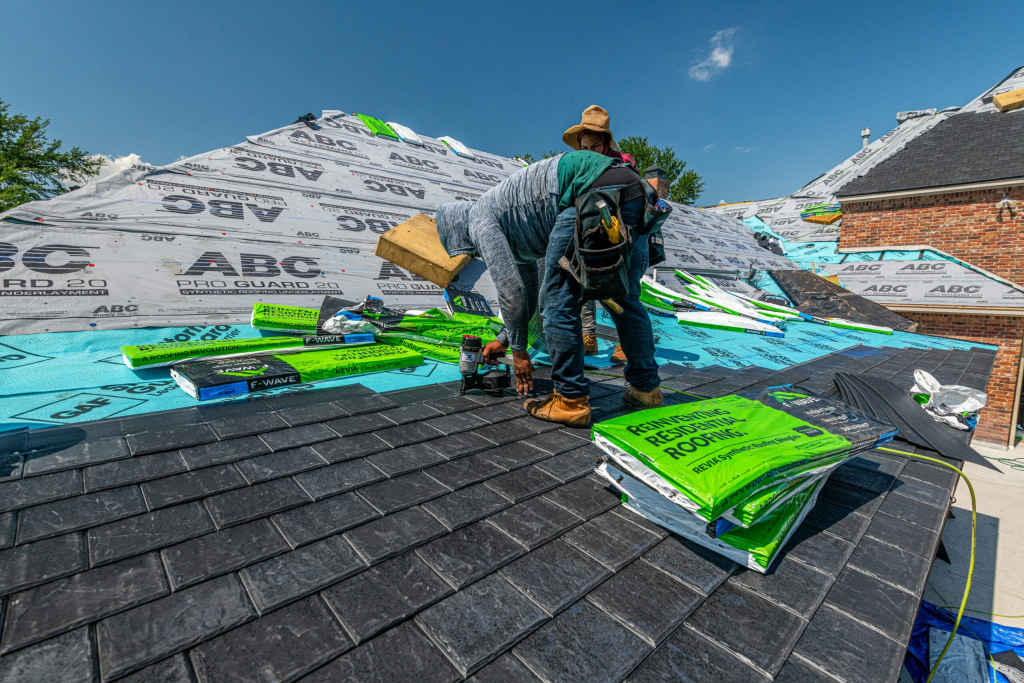
When it comes to protecting your Florida home, your roof’s underlayment plays a bigger role than most people realize. It’s the layer between your shingles or tiles and the roof deck, acting as the last line of defense against water intrusion during storms.
Peel-and-Stick Underlayment
- Self-adhering: It sticks directly to the roof deck, creating a watertight seal.
- Hurricane-ready: Great for areas prone to heavy rain and high winds.
- Insurance benefits: Often recognized in wind mitigation inspections, which can lead to discounts.
Traditional Underlayment
- Stapled or nailed down: Usually made of felt or synthetic materials.
- Cost-effective: Less expensive upfront but may not perform as well in extreme weather.
- Not always recognized for discounts: Insurance carriers often prefer peel-and-stick.
Final Thoughts:
Choosing the right underlayment is more than a roofing decision—it’s an investment in your home’s protection and your peace of mind. Peel-and-stick underlayment offers superior water resistance, durability, and potential insurance savings, while traditional underlayment may be more budget-friendly upfront. Evaluating your home’s needs and long-term benefits can help you make the right choice.
At Top-Sider Inspections, we specialize in wind mitigation inspections across Polk, Hillsborough, and surrounding areas. We’ll carefully evaluate your roof’s underlayment and other protective features to help you qualify for maximum insurance discounts. Call us today to schedule your inspection and start saving.